
Bally Bet
Bally Bet offers online sports betting in select regulated U.S. markets through Bally’s gaming brand.
Authorized States: AZ, CO, IA, IN, MA, MD, NJ, NY, OH, TN, VA.
Visit Website
Search for casinos, tribal casinos, card rooms, poker clubs, and sportsbook locations near a city, state, or ZIP code.
Search query:
Results open through external search providers because this no-API version does not maintain a live national gambling establishment database.
Sportsbook availability, licensing, promotions, and eligible states may change. Check each operator’s website and your state’s current rules before registering.
Bally Bet offers online sports betting in select regulated U.S. markets through Bally’s gaming brand.
Authorized States: AZ, CO, IA, IN, MA, MD, NJ, NY, OH, TN, VA.
Visit Website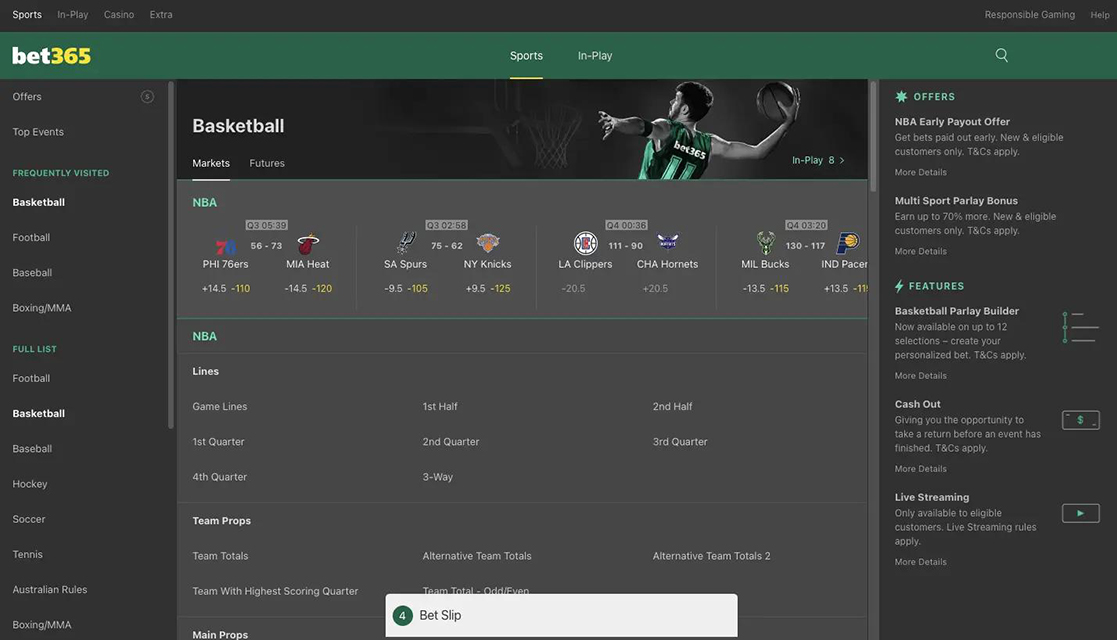
bet365 offers live betting, sports markets, and online wagering in licensed U.S. jurisdictions.
Authorized States: AZ, CO, IL, IN, IA, KS, KY, LA, MD, MI, MO, NJ, NC, OH, PA, TN, VA.
Visit Website
BetMGM provides online sports betting, casino games, poker, slots, and table games in regulated U.S. markets.
Authorized States: AZ, CO, DC, IL, IN, IA, KS, KY, LA, MA, MD, MI, MS, NC, NJ, NY, NV, OH, PA, TN, VA, WV, WY.
Visit Website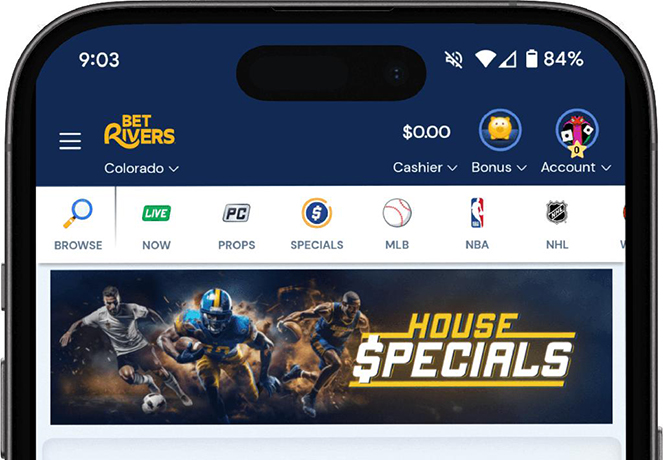
BetRivers offers sportsbook and casino gaming options in several licensed U.S. states.
Authorized States: AZ, CO, DE, IL, IN, IA, LA, MD, MI, NJ, NY, OH, PA, VA, WV.
Visit Website
Caesars Sportsbook offers mobile sports betting and online casino access connected to Caesars Rewards.
Authorized States: AZ, CO, DC, IA, IL, IN, KS, KY, LA, MA, MD, MI, MS, NC, NJ, NY, NV, OH, PA, TN, VA, WV, WY.
Visit WebsiteMajor licensed sportsbook and online gambling brands, D through H.

DraftKings offers sportsbook, daily fantasy sports, casino games, live betting, and promotional wagering features.
Authorized States: AZ, CO, CT, IL, IN, IA, KS, KY, LA, ME, MD, MA, MI, NH, NJ, NY, NC, OH, OR, PA, TN, VT, VA, WV, WI, WY, DC.
Visit Website
ESPN BET was a sports wagering platform with ESPN-branded media integration. It later transitioned under PENN’s theScore Bet platform.
Authorized States: AZ, CO, IL, IN, IA, KS, KY, LA, MA, MD, MI, MO, NJ, NY, NC, OH, PA, TN, VA, WV.
Visit Website
Fanatics Sportsbook provides online sports betting through the Fanatics brand, including rewards and mobile wagering.
Authorized States: AZ, CO, CT, IL, IN, IA, KS, KY, LA, MD, MA, MI, NJ, NY, NC, OH, PA, TN, VT, VA, WV, WY, DC.
Visit Website
FanDuel offers online sportsbook, fantasy sports, casino games, horse racing, and live wagering in regulated markets.
Authorized States: AZ, AR, CO, CT, DC, IL, IN, IA, KS, KY, LA, MD, MA, MI, NJ, NY, NC, OH, PA, TN, VT, VA, WV, WY.
Visit Website
Hard Rock Bet offers online sportsbook and casino gaming tied to Hard Rock’s casino and entertainment brand.
Authorized States: AZ, CO, FL, IL, IN, MI, NJ, OH, TN, VA.
Visit WebsiteOnline gambling has become a major part of the modern gaming and entertainment industry. What was once limited mainly to physical casinos, racetracks, card rooms, sportsbooks, and lottery outlets can now be accessed through computers, tablets, and mobile phones. Depending on the state or jurisdiction, online gambling may include sports betting, casino-style games, poker, lottery games, horse racing wagering, daily fantasy sports, sweepstakes-style gaming, or other interactive gaming formats.
At its core, online gambling allows users to place wagers or participate in games of chance through an internet-connected platform. These platforms may be operated by licensed casinos, sportsbook companies, tribal gaming enterprises, lottery agencies, racetrack operators, or private gaming companies. Some are heavily regulated under state law, while others operate under different business models or may not be legal in every location. Because laws vary widely, players should always confirm that a gambling site is legal and licensed where they live before opening an account or placing a wager.
One of the defining characteristics of online gambling is convenience. Players no longer need to travel to a casino or sportsbook to participate. A person can compare odds, review games, make deposits, place wagers, and withdraw winnings from home or while traveling within an approved legal area. For many users, this ease of access is the main attraction.
Online platforms also provide a broad selection of options. A physical casino is limited by floor space, while an online casino can offer many variations of slots, blackjack, roulette, video poker, live dealer games, sports markets, and specialty games. Online sportsbooks may provide wagering on professional sports, college sports where permitted, international competitions, futures, props, live in-game betting, and other markets.
Another advantage is transparency of information. Online players can often review game rules, posted odds, payout tables, promotional terms, account history, deposit records, and responsible gaming tools directly through the platform. Sports bettors can compare lines across different operators, and casino players can review game descriptions before playing.
Online gambling companies often compete for users through promotions. These may include deposit matches, bonus bets, free spins, odds boosts, loyalty rewards, referral offers, or new-player incentives. These promotions can add value, but they also require careful review.
Many offers come with conditions. Casino bonuses may include wagering requirements, game restrictions, time limits, maximum bet rules, or withdrawal limits. Sportsbook promotions may require a qualifying wager before a bonus is issued. Some offers sound generous at first glance but may be less valuable after the fine print is considered.
A careful player should read the terms before accepting any bonus. Promotions should be treated as marketing incentives, not as guaranteed value or a substitute for responsible bankroll management.
For many adults, online gambling is a form of entertainment. Sports bettors may enjoy adding interest to games they already follow. Casino players may enjoy the speed, variety, graphics, and interactive features of online games. Poker players may appreciate the ability to find games without waiting for a seat at a physical card room.
Online gambling can also offer a more private and flexible experience. Some players prefer playing at their own pace, choosing lower betting amounts, or taking breaks whenever they choose. The ability to review account records and set limits may also help some users manage their gambling activity more carefully than they would in a crowded casino environment.
When approached as paid entertainment, online gambling can be similar to buying tickets to a sporting event, attending a show, or visiting a casino resort. The key difference is that gambling always includes financial risk, and losses should be expected as part of the activity.
The same convenience that makes online gambling attractive can also make it risky. Because gambling apps and websites may be available at any hour, users can place wagers quickly and repeatedly. This constant access can make it easier to lose track of time, chase losses, or spend more than intended.
Online gambling may also feel less tangible than gambling with cash at a physical location. Deposits, credits, bonus balances, and digital wagers can sometimes make money feel less real. Players may underestimate losses when they are using stored payment methods or making repeated small wagers.
Live betting and fast-paced casino games can increase this risk. A sports bettor may place multiple in-game wagers during a single event, while a casino player may play hundreds of spins or hands in a short period. Speed and repetition can turn casual entertainment into excessive play if limits are not observed.
Online gambling should never be viewed as a dependable way to make money. While some players may win in the short term, gambling platforms are designed with mathematical advantages, market margins, or operator fees. Sportsbooks build a margin into the odds, and casino games usually include a house edge. Poker may involve skill, but it also involves variance, competition, and platform fees.
Users should only gamble with money they can afford to lose. Gambling funds should be separate from rent, mortgage payments, food, utilities, medical expenses, taxes, debt payments, and family obligations. A responsible approach includes setting a budget before playing and stopping when that budget is reached.
It is also important to understand payment practices. Deposit methods, withdrawal times, identity verification, tax reporting, and banking restrictions can vary by operator. Players should understand how funds are deposited, how withdrawals are processed, and what documentation may be required.
Online gambling laws are not uniform. In the United States, legality depends heavily on state law, tribal gaming agreements, regulatory approvals, and the type of gambling involved. Sports betting may be legal in one state while online casino gaming is not. Poker, fantasy sports, horse racing, lottery games, and sweepstakes platforms may each be treated differently.
Licensed platforms typically must follow rules involving age verification, geolocation, identity checks, anti-money-laundering compliance, data security, advertising standards, responsible gaming tools, and dispute procedures. These rules are intended to protect consumers and preserve the integrity of gaming activity.
Unlicensed or offshore platforms may not provide the same protections. A site that accepts players from a location where it is not authorized may create risks involving unpaid withdrawals, unfair terms, weak dispute remedies, poor data protection, or uncertain legality. Players should verify licensing before using any gambling platform.
Online gambling platforms commonly require personal information, including name, address, date of birth, tax identification information, banking details, and proof of identity. These requirements are often tied to age verification, fraud prevention, tax reporting, and regulatory compliance.
Because sensitive information is involved, users should choose platforms carefully. A legitimate operator should use secure login practices, encrypted transactions, clear privacy policies, and account protection tools. Players should also use strong passwords, avoid sharing accounts, enable available security features, and monitor account activity.
Security is not only about the platform. Users should avoid gambling over unsecured public Wi-Fi, should be cautious of phishing emails, and should only download gambling apps from trusted sources.
Many regulated online gambling platforms offer responsible gambling tools. These may include deposit limits, wager limits, time limits, cooling-off periods, account reminders, self-exclusion programs, and access to gambling support resources. These tools are useful not only for people experiencing gambling problems but also for any player who wants to maintain control.
Responsible gambling means recognizing that gambling is unpredictable, setting limits in advance, avoiding emotional wagering, and never gambling to recover losses. It also means taking breaks, reviewing account history, and being honest about whether gambling is still enjoyable or has become stressful.
Warning signs may include hiding gambling activity, borrowing money to gamble, gambling with bill money, chasing losses, lying about losses, feeling unable to stop, or becoming anxious when not gambling. Anyone experiencing these signs should consider using self-exclusion tools and seeking help from a qualified support organization.
Online gambling has both positive and negative characteristics. On the positive side, it can provide convenient entertainment, broad game selection, competitive sportsbook markets, transparent account records, promotional opportunities, and responsible gaming controls. It can also support regulated gaming markets, tax revenue, technology jobs, and partnerships with established casinos and sports organizations.
On the negative side, online gambling can encourage excessive play, rapid losses, emotional decision-making, privacy concerns, bonus confusion, and exposure to unlicensed operators. The speed and availability of online gambling can make it more difficult for some users to maintain healthy boundaries.
A balanced view recognizes that online gambling is neither automatically good nor automatically bad. Its value depends on legality, regulation, operator integrity, user behavior, financial discipline, and personal risk tolerance.
Before using an online gambling platform, players should ask several basic questions. Is the platform legal in my state or location? Is it licensed by a recognized regulator? Are the odds, rules, fees, and bonus terms clear? Are responsible gaming tools available? Can I afford to lose the money I plan to wager? Am I gambling for entertainment rather than income?
Online gambling is best approached with caution, patience, and limits. It should be treated as a recreational activity with real financial risk, not as an investment strategy or a guaranteed path to profit.
GambleXpress provides informational resources to help visitors better understand gambling options, casino destinations, sportsbook brands, and gaming-related topics. Visitors should always verify current laws, read operator terms carefully, and gamble only where legal and only within personal limits.