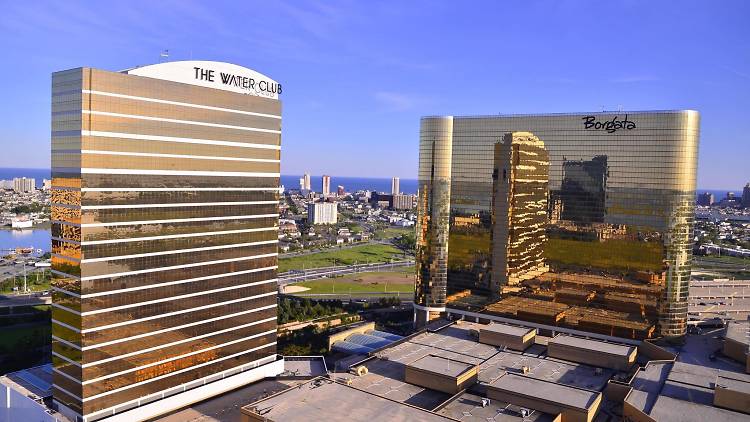
Borgata Hotel Casino & Spa
Premier Atlantic City Marina District resort with upscale rooms, poker, spa amenities, restaurants, entertainment, and a large casino floor.
Visit Website
Major casino resorts, casino hotels, racinos, sportsbooks, and destination gaming venues across New York, New Jersey, Pennsylvania, Delaware, and Maryland.
Premier Atlantic City Marina District resort with upscale rooms, poker, spa amenities, restaurants, entertainment, and a large casino floor.
Visit Website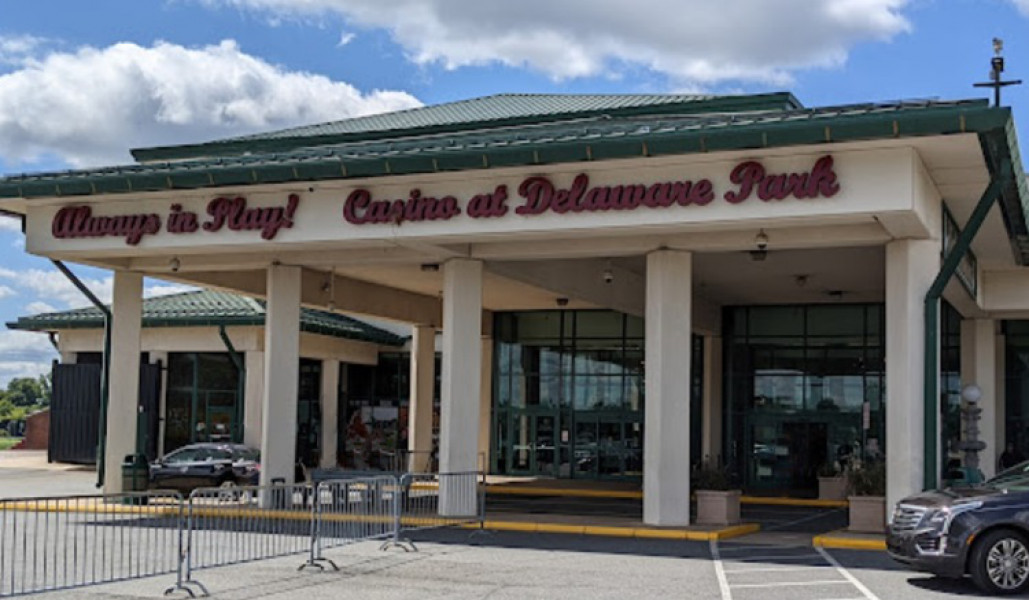
Wilmington-area casino and racing venue with slots, table games, poker, sports betting, dining, and live thoroughbred racing.
Visit Website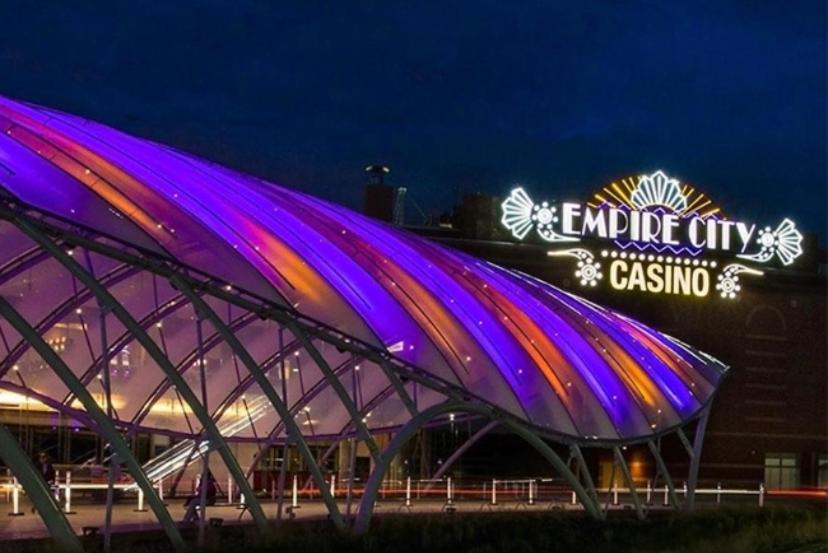
Yonkers MGM casino destination with New York’s largest casino floor, thousands of slots, electronic table games, dining, and harness racing.
Visit Website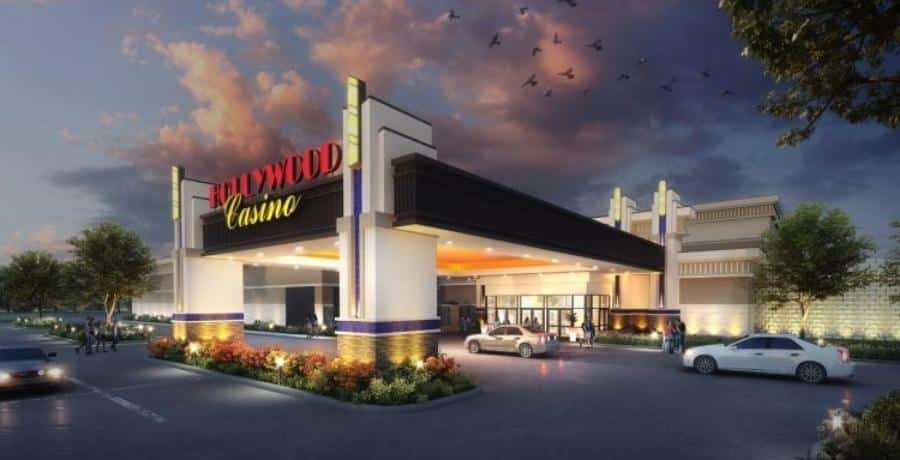
Berks County casino with slots, table games, dining, sportsbook amenities, and convenient access from the Pennsylvania Turnpike corridor.
Visit Website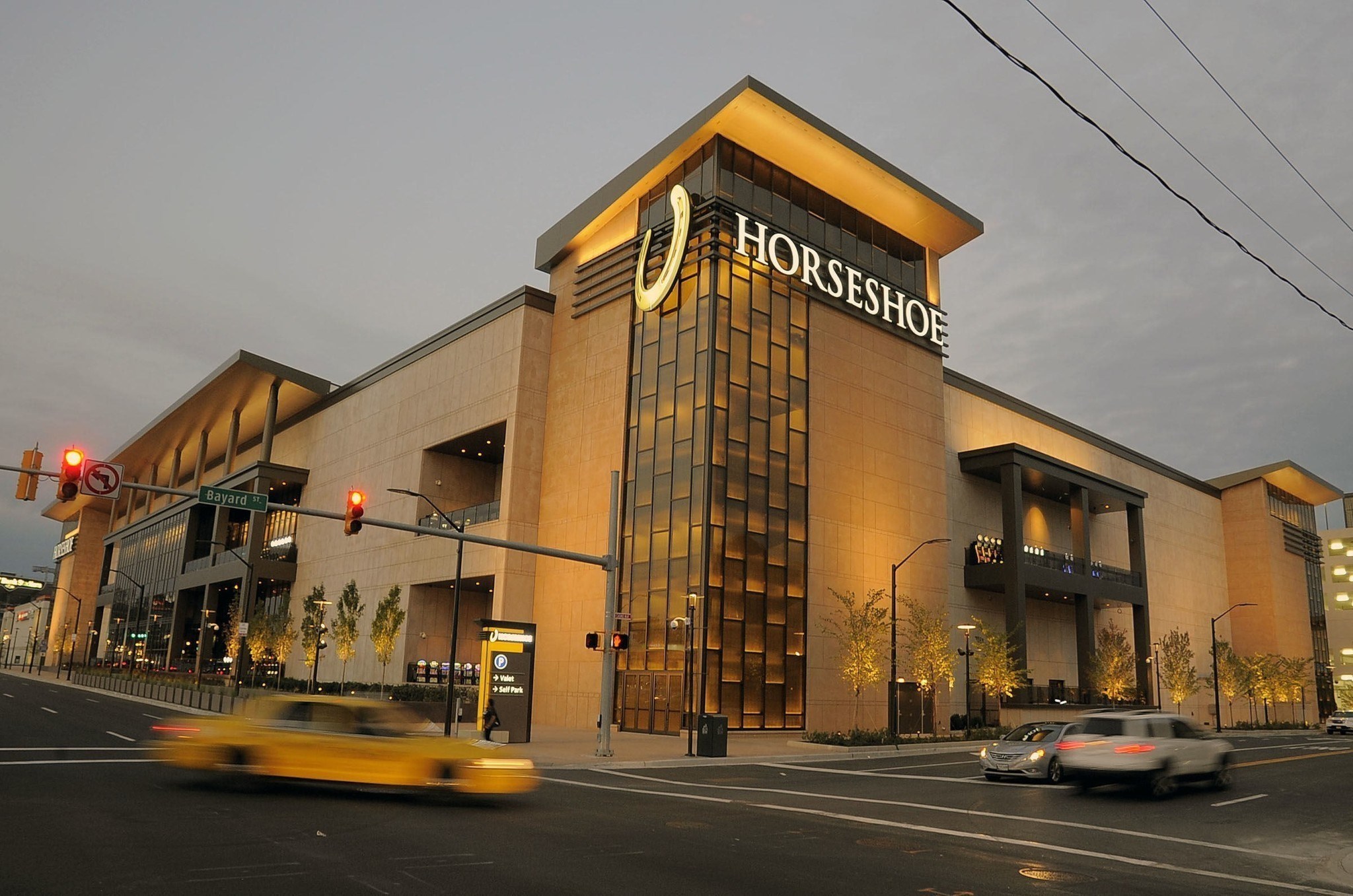
Downtown Baltimore casino with table games, slots, poker, sportsbook action, restaurants, entertainment, and Caesars Rewards access.
Visit Website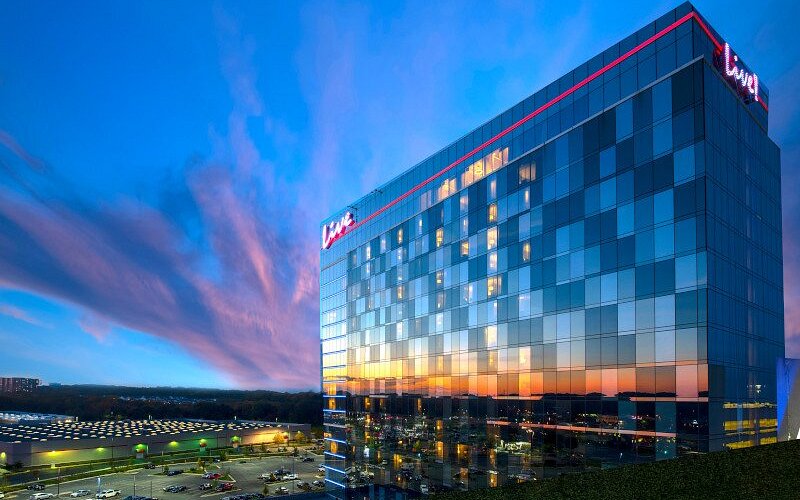
Major Baltimore-Washington casino resort with slots, table games, poker, sportsbook, hotel rooms, dining, and entertainment.
Visit Website
South Philadelphia casino hotel with slots, table games, poker, sportsbook, dining, entertainment, and Stadium District access.
Visit Website
Luxury D.C.-area casino resort with upscale hotel rooms, chef-driven restaurants, a theater, entertainment, and a large gaming floor.
Visit Website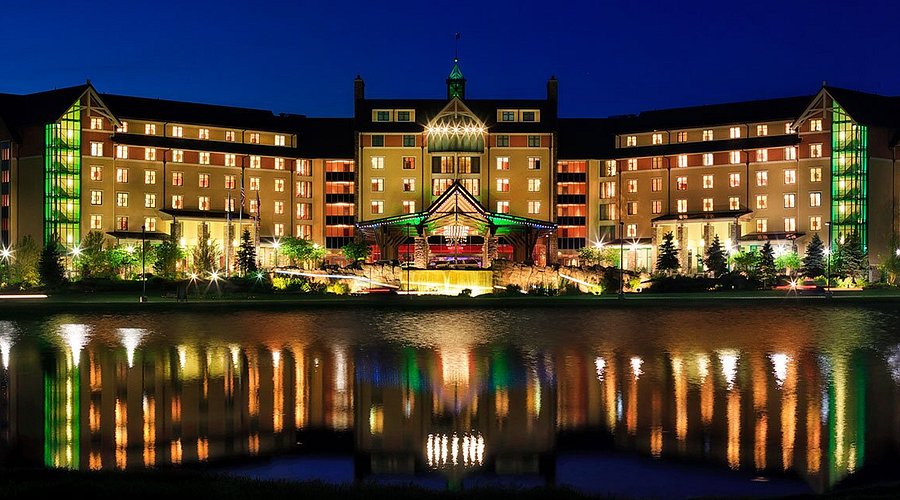
Adults-only Pocono Mountains casino resort with AAA Four Diamond lodging, gaming, dining, spa amenities, golf, and resort-style escapes.
Visit Website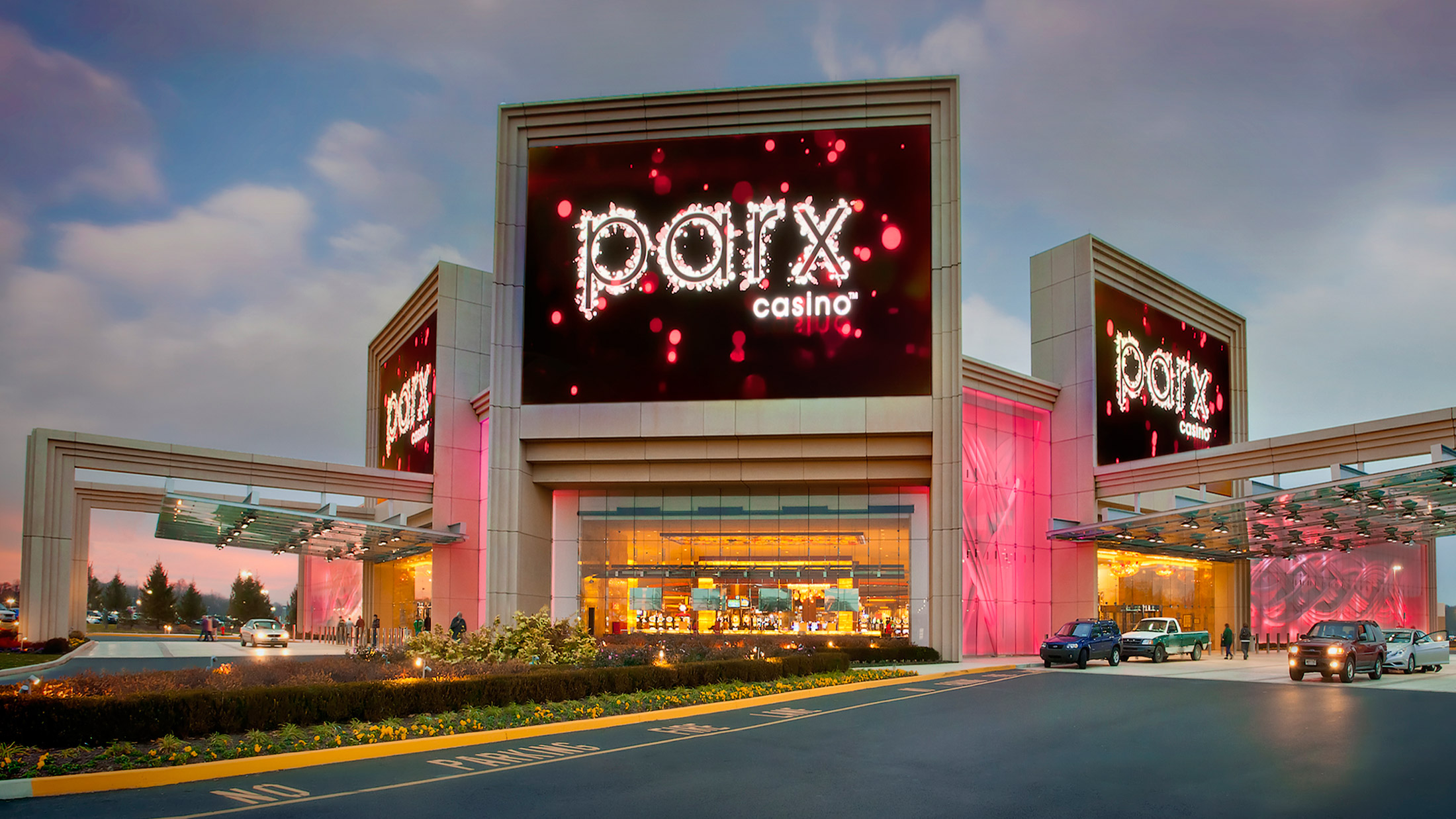
Bensalem casino and racing destination with slots, table games, poker, sports betting, restaurants, nightlife, and thoroughbred racing.
Visit Website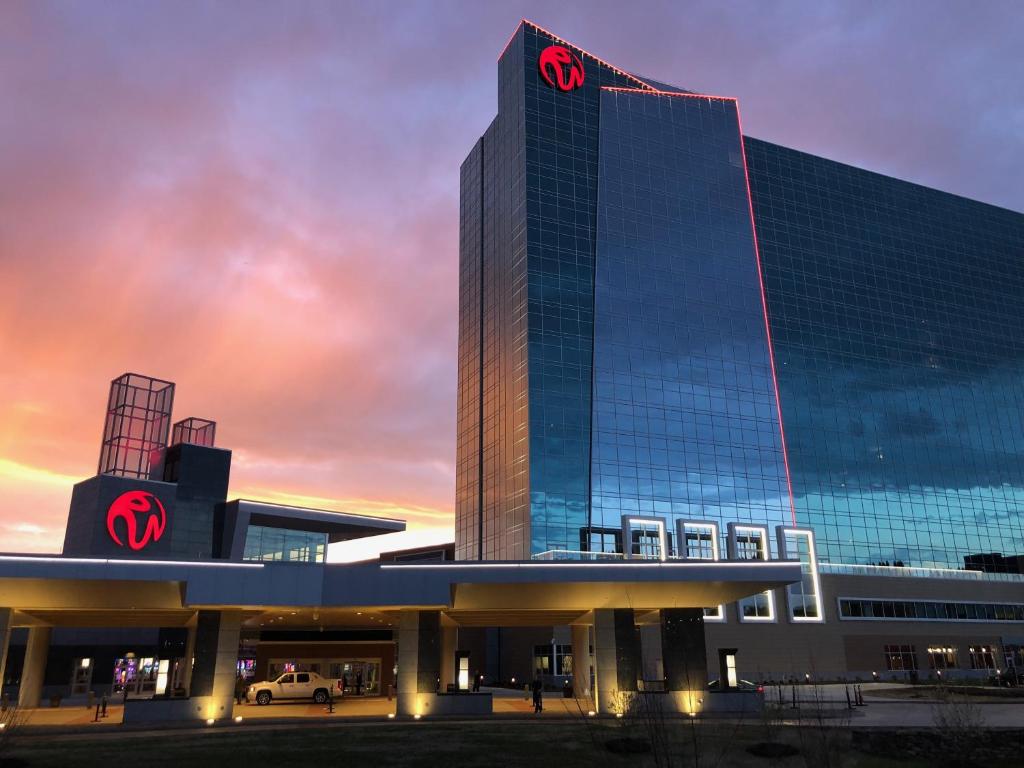
Catskills casino resort offering luxury lodging, casino gaming, dining, entertainment, and a mountain getaway setting near the New York metro region.
Visit Website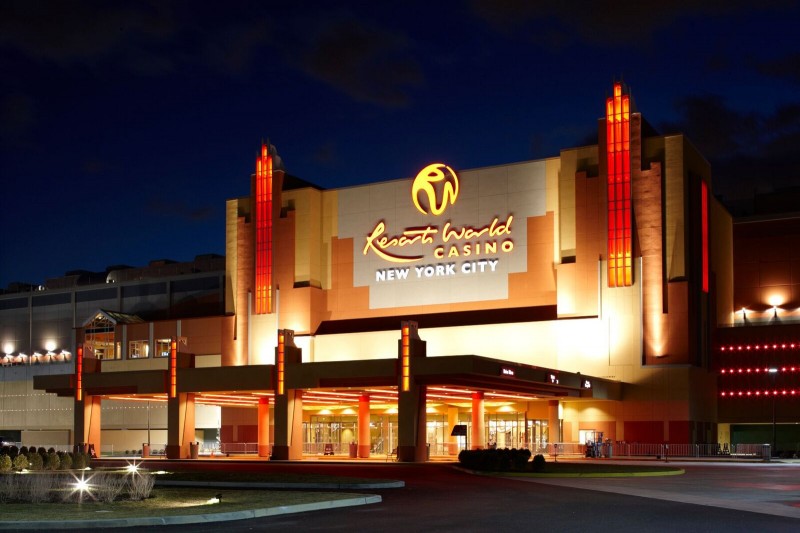
Queens casino and entertainment destination offering slots, electronic games, live dealer table games, dining, and airport-area access.
Visit Website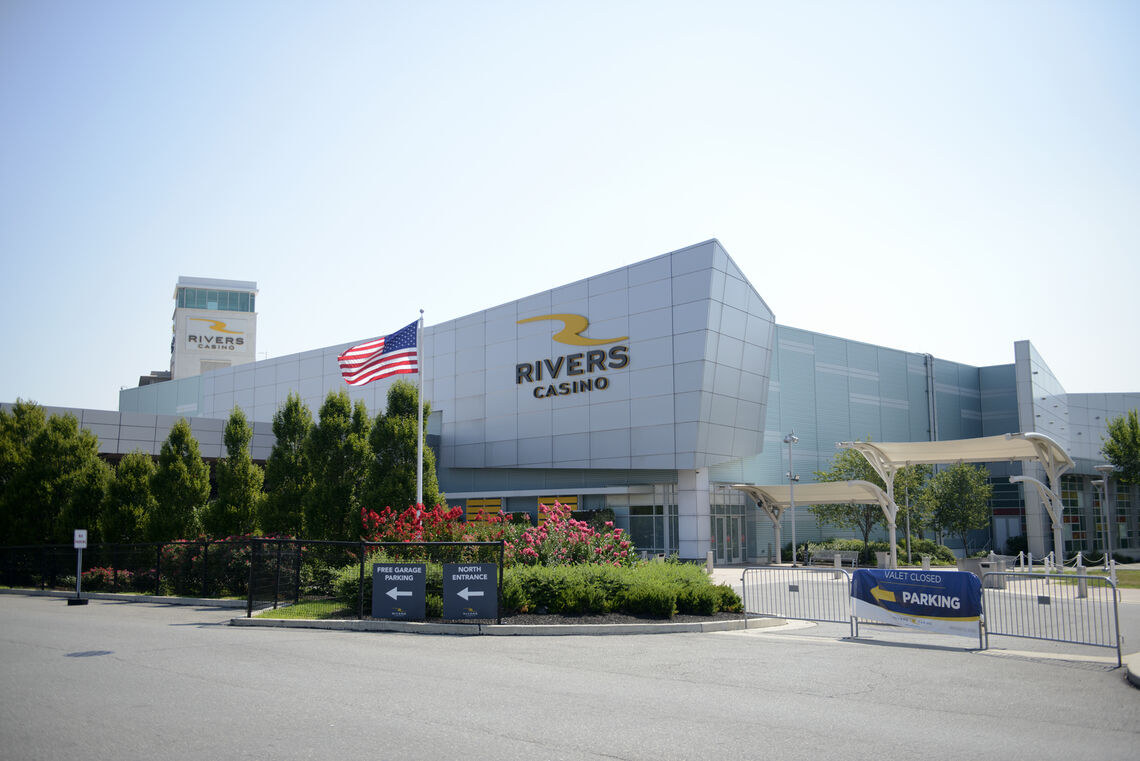
Delaware River waterfront casino with slots, table games, poker, sportsbook, restaurants, events, and Philadelphia nightlife appeal.
Visit Website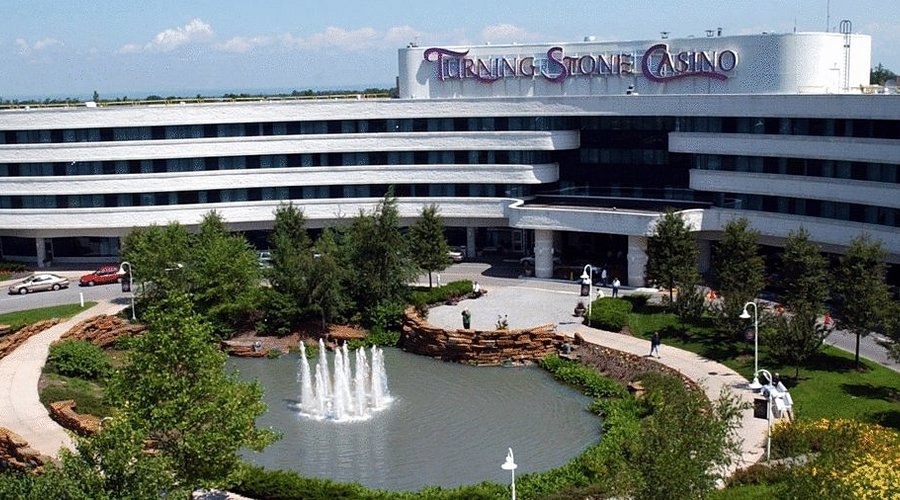
Award-winning Central New York resort with gaming, hotels, golf, spas, dining, sports betting, entertainment, poker, and bingo.
Visit Website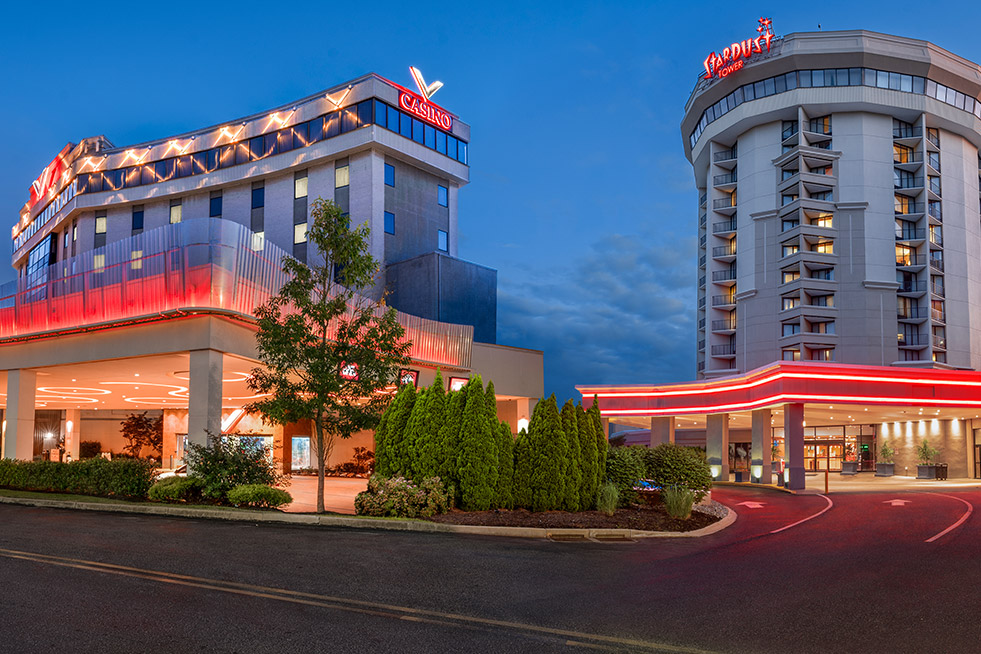
King of Prussia casino resort with gaming, hotel towers, restaurants, nightlife, entertainment, and Philadelphia-area business travel appeal.
Visit Website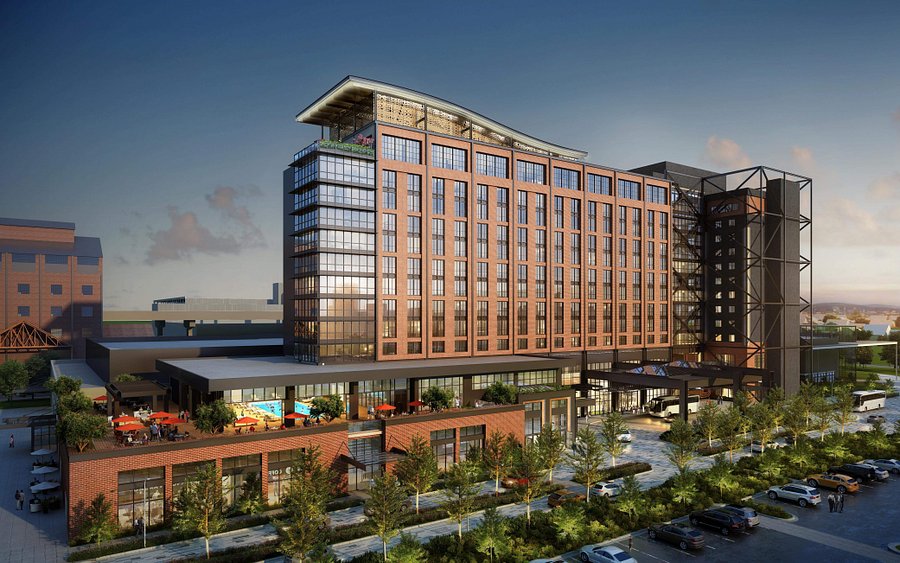
Large Lehigh Valley casino resort with hotel rooms, slots, table games, sportsbook, dining, shopping, spa amenities, and entertainment.
Visit WebsiteMiddle Atlantic casino gaming includes some of the most active and competitive gambling markets in the eastern United States. The region is anchored by Atlantic City, New Jersey, and Pennsylvania’s large statewide casino market, with additional gaming activity in New York, Delaware, Maryland, and nearby West Virginia.
Unlike a single-destination market such as Las Vegas, the Middle Atlantic casino region is spread across major highways, urban areas, suburban communities, racetrack casinos, waterfront resorts, mountain resorts, and destination casino hotels. This gives visitors many different choices, from large integrated resorts and sportsbook lounges to smaller regional casinos focused on local entertainment.
The region also reflects the modern casino industry’s shift beyond traditional slot machines and table games. Many Middle Atlantic states now combine land-based casinos with sports wagering, online casino gaming, mobile betting, poker, lottery products, entertainment venues, restaurants, hotels, and player loyalty programs.
Middle Atlantic casinos serve both destination travelers and local gaming customers. Atlantic City remains the region’s best-known resort casino destination, while Pennsylvania has developed a strong statewide casino network serving Philadelphia, Pittsburgh, the Poconos, central Pennsylvania, and other population centers.
New York, Maryland, Delaware, and West Virginia add further variety to the region. Some properties are attached to racetracks. Others are full casino resorts with hotels, restaurants, nightlife, spas, entertainment, and convention space. Because the region is densely populated, many casinos rely on repeat local visitors as well as weekend travelers.
Casino gaming in the Middle Atlantic region is regulated on a state-by-state basis. Each state sets its own licensing requirements, tax structure, approved games, advertising rules, sports betting standards, online gaming permissions, and responsible gambling programs.
This means visitors may notice differences when crossing state lines. A casino in New Jersey may operate under different rules than a casino in Pennsylvania, Maryland, Delaware, New York, or West Virginia. Online casino availability, mobile sportsbook rules, tax treatment, promotional offers, and self-exclusion programs may also vary by state.
One of the region’s biggest strengths is accessibility. Millions of potential visitors live within driving distance of multiple casino markets. A traveler in the Middle Atlantic area may be able to compare casino destinations by hotel price, entertainment schedule, restaurant selection, sportsbook availability, table-game limits, loyalty rewards, and travel time.
The region also offers variety. Atlantic City provides a classic seaside casino resort experience. Pennsylvania offers a broad mix of urban, suburban, and resort-style casinos. Maryland and Delaware combine casino gaming with racetrack and regional entertainment models. New York and West Virginia add additional choices for visitors traveling through the broader Northeast and Appalachian corridor.
The same variety that benefits visitors also creates intense competition. Middle Atlantic casinos compete with one another for players, hotel guests, entertainment customers, sportsbook users, online casino players, and loyalty club members. As more states expand gaming, older markets must continue reinvesting in hotel rooms, restaurants, casino floors, technology, entertainment, and guest service.
Regional casinos can also face pressure from online gambling, changing travel habits, inflation, labor costs, smoking debates, regulatory changes, and shifting consumer preferences. Properties that fail to refresh their guest experience may struggle against newer or more convenient competitors.
Visitors should compare casinos based on the type of trip they want. Some casinos are better for overnight resort stays, concerts, restaurants, spa services, and nightlife. Others are better for quick day trips, slot play, sportsbook viewing, poker, low-limit table games, or loyalty rewards.
Important planning factors include location, parking, hotel cost, resort fees, dining options, entertainment calendars, sportsbook access, table-game minimums, smoking policy, online account options, promotions, and the ease of joining or using a player rewards program.
The Middle Atlantic region has played a major role in the growth of legal online gambling and sports betting. New Jersey and Pennsylvania are especially important online casino markets, while several nearby states also allow some form of mobile or retail sports wagering.
Online gambling can make casino-style betting more convenient, but it can also increase risk because players no longer need to travel to a casino floor. Mobile betting, bonus offers, push notifications, fast deposits, and around-the-clock access can make it easier for some players to gamble longer or more often than planned.
Casinos in the Middle Atlantic region support tourism, employment, restaurants, hotels, construction, entertainment, transportation, advertising, security, technology, and state tax revenue. In some communities, casino resorts are major employers and important anchors for visitor spending.
At the same time, casino development is not a complete economic solution by itself. Communities may still need investment in public safety, roads, housing, small businesses, workforce development, downtown activity, and non-gaming tourism to create a balanced local economy.
Casino gaming should be treated as entertainment, not as a dependable way to earn money. Visitors should set a gambling budget before they play, avoid using money needed for bills or essentials, take breaks, and remember that casino games are designed with mathematical odds that generally favor the house over time.
Warning signs of problem gambling may include chasing losses, hiding gambling activity, borrowing money to bet, gambling longer than planned, using credit to continue playing, or feeling anxious when trying to stop. Anyone experiencing those signs should consider using responsible gambling tools, self-exclusion programs, counseling services, or trusted support networks.
Overall, Middle Atlantic casinos offer one of the most diverse regional gaming landscapes in the United States. The region’s strengths include accessibility, variety, established regulation, major casino resorts, online gaming options, sportsbooks, entertainment venues, and strong drive-in tourism. Its concerns include intense competition, gambling addiction risks, community impacts, and the need for continued reinvestment. For informed visitors using realistic expectations and responsible limits, Middle Atlantic casino gaming can provide a broad range of entertainment choices across multiple states.