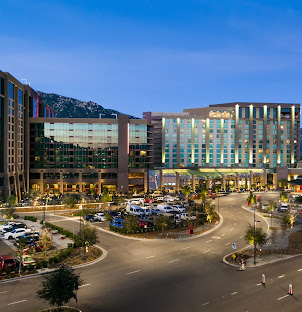
Pechanga Resort Casino
Luxury Temecula mega-resort featuring gaming, golf, concerts, and upscale accommodations.
Visit Website
Search for casinos, tribal casinos, card rooms, poker clubs, and sportsbook locations near a city, state, or ZIP code.
Search query:
Results open through external search providers because this no-API version does not maintain a live national gambling establishment database.
Major Native American casino resorts located throughout California, part one.
Luxury Temecula mega-resort featuring gaming, golf, concerts, and upscale accommodations.
Visit Website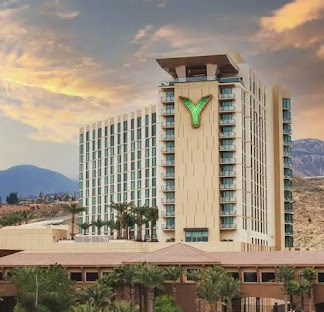
Premier Southern California tribal casino destination with luxury towers and entertainment.
Visit Website
Large Palm Springs area tribal casino resort with gaming, nightlife, and hotel towers.
Visit Website
Major Northern California casino resort featuring luxury lodging and concerts.
Visit Website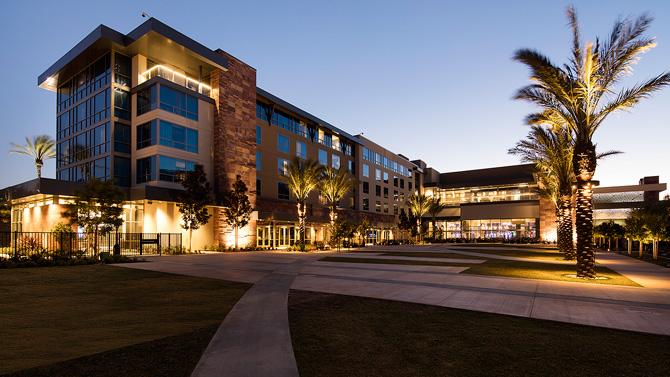
San Diego County tribal gaming destination with resort lodging and outlet shopping.
Visit Website
Upscale Coachella Valley tribal casino resort with spa and entertainment venues.
Visit Website
Popular Indio casino resort known for concerts, nightlife, and gaming excitement.
Visit Website
Large tribal gaming resort north of San Diego managed with Caesars Entertainment.
Visit Website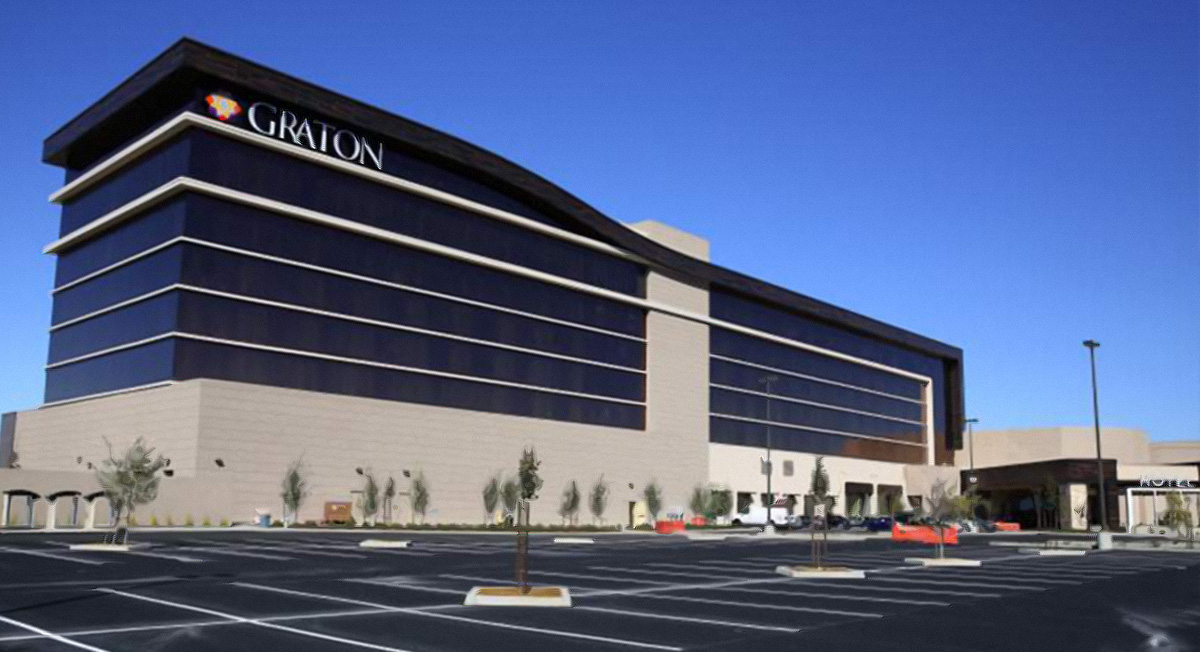
Sonoma County luxury tribal casino resort with upscale dining and entertainment.
Visit Website
Central Coast tribal casino resort with gaming, concerts, and luxury accommodations.
Visit Website
Capay Valley casino resort featuring golf, hotel towers, and extensive gaming.
Visit Website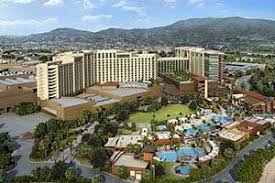
High-end San Diego tribal casino resort known for premium gaming experiences.
Visit Website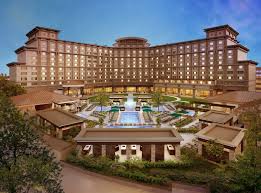
North County San Diego casino resort with concerts, spa services, and gaming.
Visit WebsiteAdditional Native American casino resorts located throughout California, part two.

Modern Sierra foothills tribal casino resort serving Gold Country visitors.
Visit Website
Large new tribal casino resort in Kern County developed with Hard Rock.
Visit Website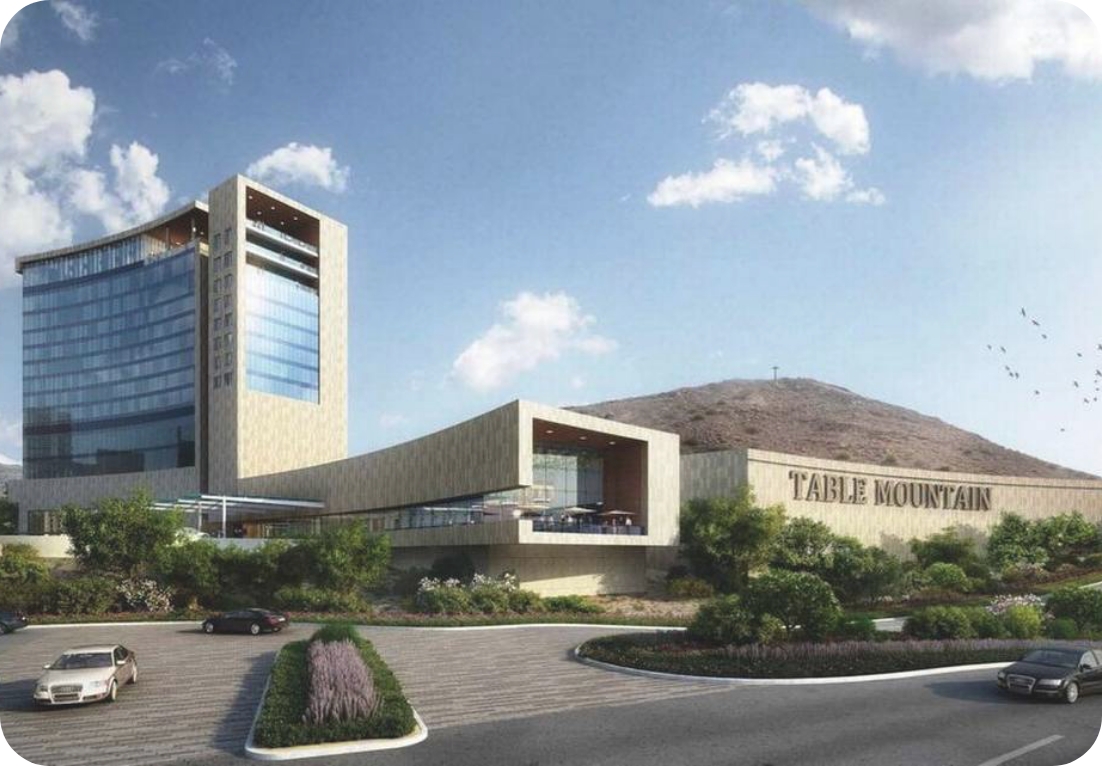
Central Valley tribal gaming resort featuring modern hotel and casino facilities.
Visit Website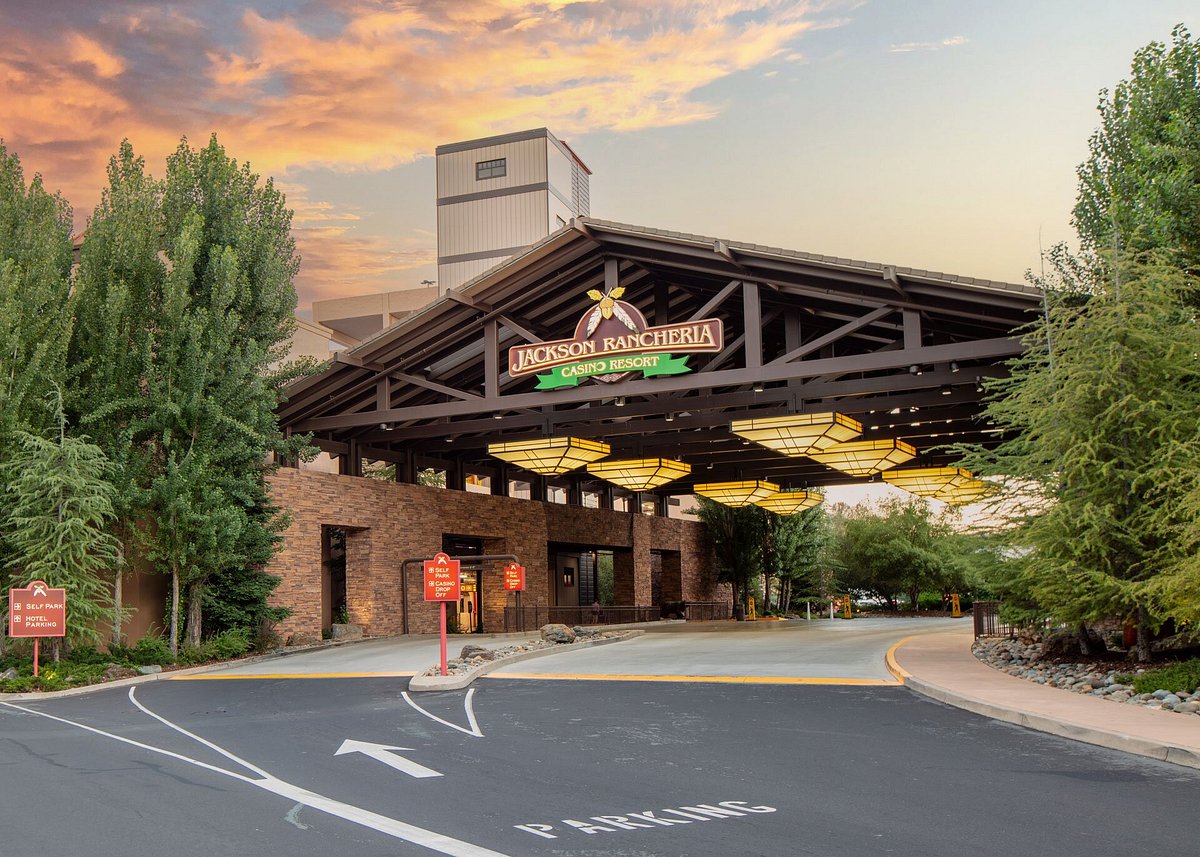
Sierra Nevada casino resort with RV accommodations and entertainment venues.
Visit Website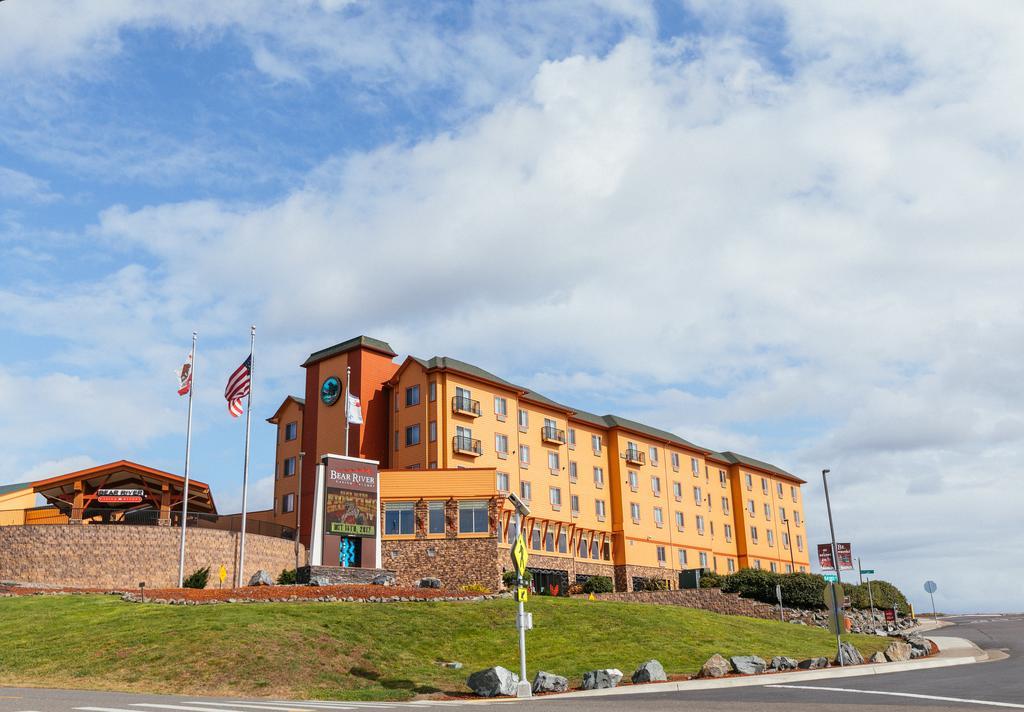
Northern California coastal tribal casino resort near Humboldt County beaches.
Visit Website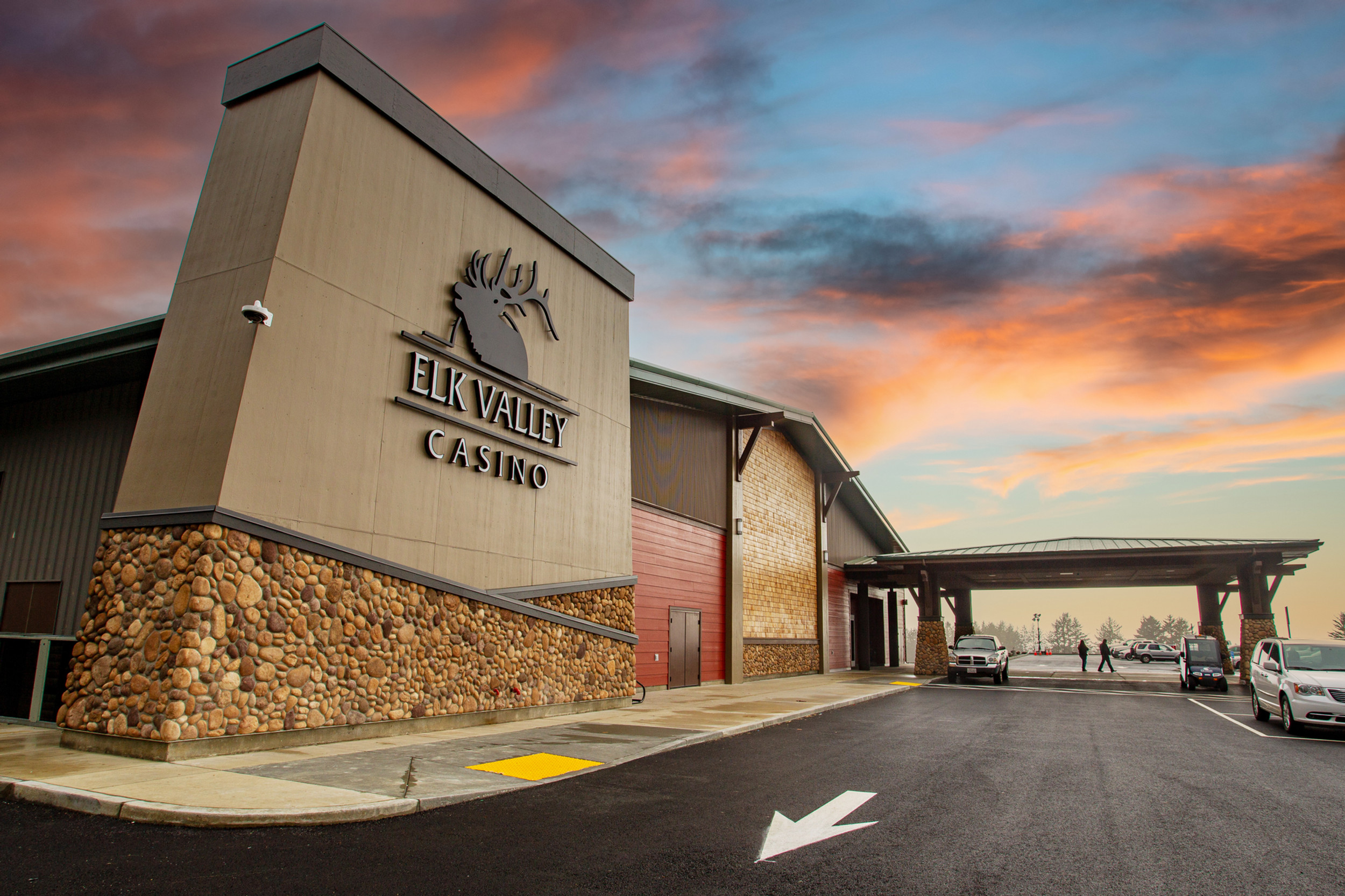
Northern coastal tribal gaming destination near the Oregon border.
Visit Website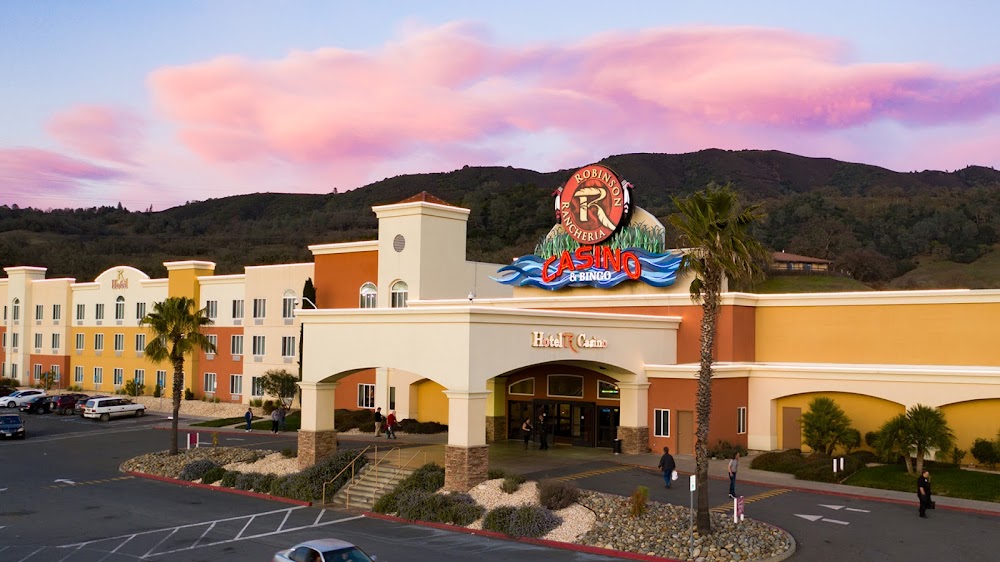
Lake County tribal casino resort with gaming, lodging, and entertainment.
Visit Website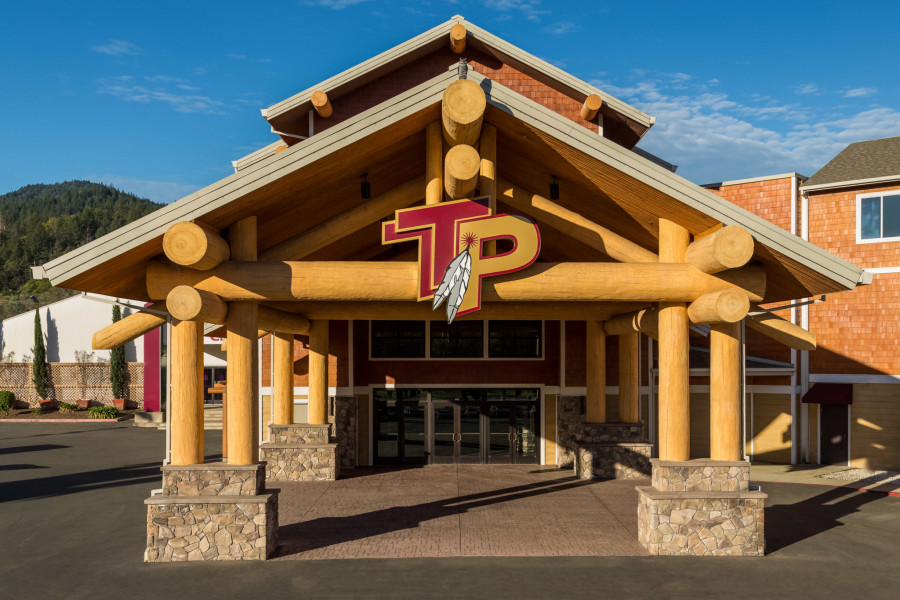
Wine Country tribal casino hotel serving Napa and Northern California visitors.
Visit Website
Redding-area tribal casino resort with entertainment and gaming attractions.
Visit Website
Sierra foothills casino resort featuring hotel towers and family entertainment.
Visit Website
Central Valley tribal casino destination with gaming, concerts, and lodging.
Visit Website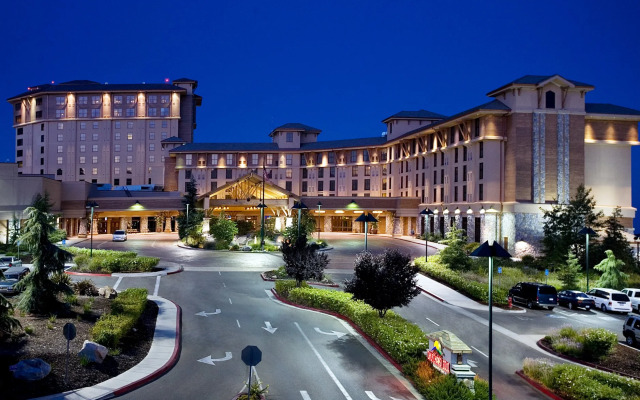
Yosemite-area tribal casino resort featuring hotel towers, dining, and gaming.
Visit WebsiteCalifornia tribal casinos form one of the most important gaming markets in the United States. Unlike Nevada, where commercial casino gambling is broadly integrated into the state’s tourism identity, California casino gaming is primarily shaped by Native American tribal governments, federal Indian gaming law, state-tribal compacts, and tribal sovereignty.
California tribal casinos range from large resort-style destinations with hotels, restaurants, spas, golf, entertainment venues, event centers, and thousands of gaming machines to smaller regional casinos serving local communities and highway travelers. The market stretches across Southern California, the Central Valley, the Sierra foothills, the Inland Empire, Northern California, San Diego County, Riverside County, San Bernardino County, the Sacramento region, and rural tribal lands throughout the state.
For visitors, California tribal gaming can offer a convenient alternative to Las Vegas or Reno. Many properties are located within driving distance of major population centers such as Los Angeles, Orange County, San Diego, Riverside, San Bernardino, Fresno, Bakersfield, Sacramento, the Bay Area, and Northern California communities.
California tribal gaming is highly diverse. Some casinos operate as full resort destinations with luxury hotel rooms, pool complexes, celebrity-chef-style dining, concert venues, convention space, spas, and high-limit gaming areas. Others are smaller local casinos focused on slot machines, table games, casual restaurants, promotions, and loyalty club benefits.
The gaming experience may include slot machines, video poker, table games, bingo, poker rooms at selected properties, high-limit rooms, casino bars, restaurants, entertainment venues, hotel packages, player rewards, and seasonal promotions. Amenities vary widely because each tribal casino reflects the priorities, location, investment level, and market strategy of the tribal government that owns and operates it.
A defining feature of California tribal casinos is tribal sovereignty. Tribal gaming operates under the Indian Gaming Regulatory Act, tribal law, federal oversight, and state-tribal compact arrangements where applicable. These compacts help define the types of Class III casino games that may be offered, regulatory responsibilities, revenue-sharing obligations, licensing procedures, and other operational requirements.
California’s tribal gaming structure is different from commercial casino markets because the casinos are operated by tribal governments rather than ordinary private casino companies. Gaming revenue can support tribal government services, housing, education, health care, infrastructure, cultural programs, economic development, and employment for both tribal and non-tribal workers.
California tribal casinos benefit from the state’s large population, major highway corridors, strong tourism economy, and proximity to urban markets. Many guests can reach a tribal casino without booking a flight or making a long-distance trip to Nevada.
The state also offers strong variety. Visitors may choose large Southern California casino resorts, San Diego County tribal casinos, Inland Empire destinations, Central Valley casinos, Sierra foothill properties, Northern California casinos, wine-country-adjacent destinations, and smaller rural gaming facilities.
California tribal casinos compete with one another, with Nevada casino destinations, with cardrooms, with state lottery products, with entertainment venues, and with non-gaming tourism. Southern California casinos may compete for the same customers as Las Vegas, Laughlin, and local entertainment districts.
The market also faces challenges involving labor costs, traffic, hotel pricing, continued reinvestment, wildfire and weather risks, regulatory disputes, smoking policy debates, mobile betting uncertainty, and the need to keep properties fresh for repeat visitors. Some smaller casinos may have fewer amenities than larger resort competitors.
California tribal casino visitors should choose properties based on the kind of trip they want. Some casinos are best for full resort stays, concerts, fine dining, spas, pools, golf, and weekend getaways. Others are better for quick day trips, slot play, bingo, casual dining, table games, poker, loyalty rewards, or local entertainment.
Before visiting, guests should compare hotel rates, parking, dining options, entertainment calendars, table-game availability, poker room status, smoking policy, resort fees, loyalty rewards, driving distance, and whether the property is best suited for a day trip or overnight stay.
Tribal casinos can support tribal government operations, employment, public services, infrastructure, cultural preservation, education, housing, health programs, elder services, and broader economic development. In some rural areas, a tribal casino may be one of the most important hospitality employers and a major anchor for local visitor spending.
California tribal gaming also supports non-tribal employment, vendors, construction, restaurants, hotels, entertainment, transportation, and surrounding communities. At the same time, casino development is not a complete economic solution by itself. Long-term success may also depend on diversified tribal enterprises, workforce training, infrastructure planning, housing, environmental stewardship, and non-gaming business development.
California has not legalized broad statewide online sports betting or real-money online casino gaming. Visitors should be cautious about assuming that mobile sportsbook apps, online slots, internet blackjack, or digital casino platforms are legal simply because similar products exist in other states.
California’s gaming environment remains distinct because tribal casinos, cardrooms, horse racing, the state lottery, and sports betting proposals involve different legal and political interests. Any future expansion of sports betting or online gaming would depend on California law, voter approval where required, tribal interests, regulatory structure, and the specific terms adopted by the state.
California tribal casino gaming should be treated as entertainment, not as a dependable way to make money. Visitors should set a gambling budget before they play, avoid gambling with money needed for bills or essentials, take breaks, and remember that casino games are designed with mathematical odds that generally favor the house over time.
Warning signs of problem gambling may include chasing losses, borrowing money to bet, hiding gambling activity, gambling longer than planned, using credit to continue playing, or feeling anxious when trying to stop. Anyone experiencing these warning signs should consider responsible gambling tools, self-exclusion programs, counseling services, or trusted support from family, friends, or professionals.
Overall, California tribal casinos offer a major regional gaming experience shaped by tribal sovereignty, compact gaming, resort development, local employment, tourism, and state-by-state differences from Nevada-style commercial casino gambling. The region’s strengths include large population access, resort variety, tribal economic impact, entertainment options, and convenient drive-in travel. Its concerns include gambling addiction risk, market competition, regulatory disputes, uneven property amenities, traffic, wildfire and weather exposure, and the need for continued reinvestment. For informed visitors using realistic expectations and responsible limits, California tribal casinos can provide a broad mix of gaming, hospitality, entertainment, and regional character.